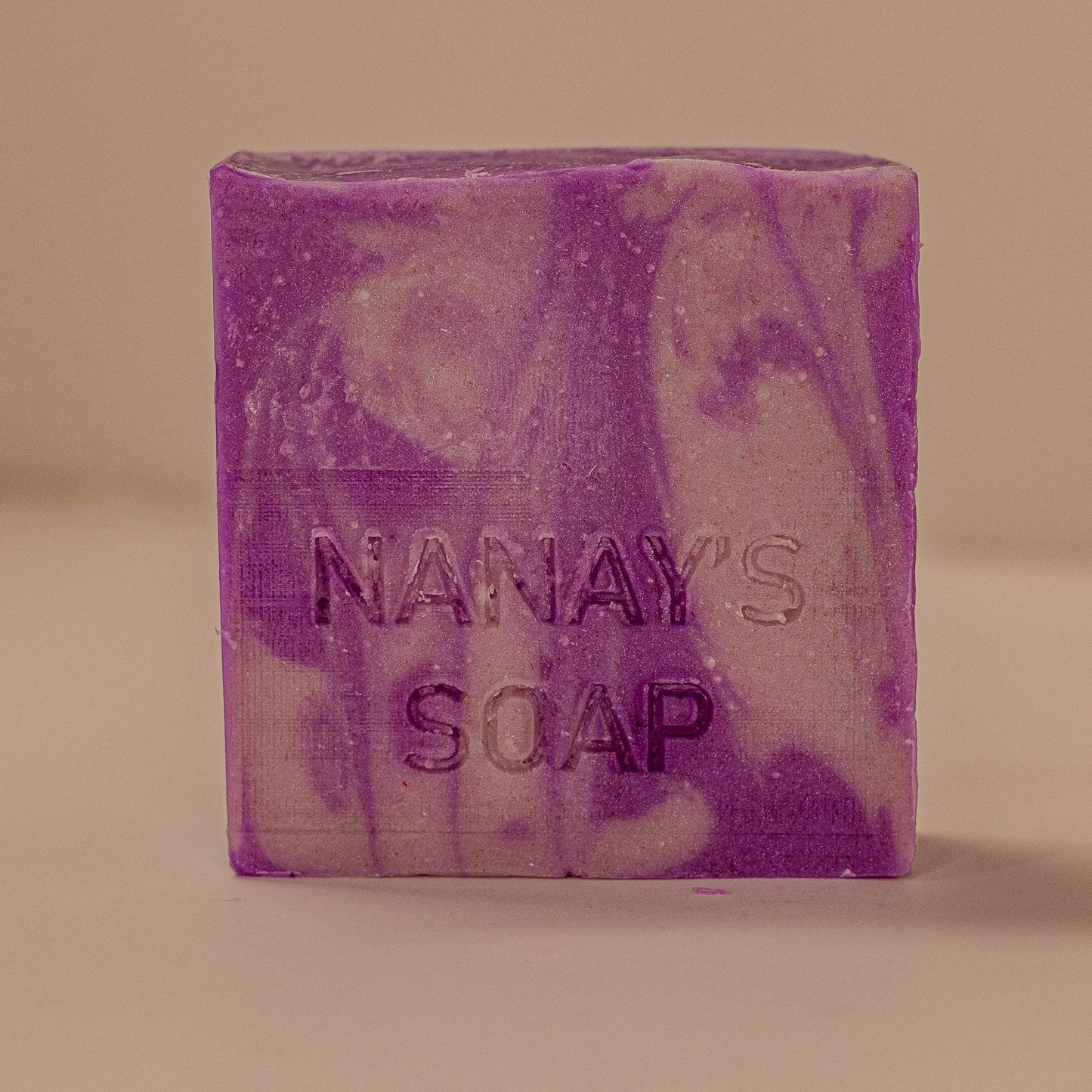
Goat's Milk Unscented Handmade Small Batch Cold Process Soap
Goat's Milk Unscented Handmade Small Batch Cold Process Soap
Couldn't load pickup availability
Goat milk soap is a luxurious handmade soap that brings together the creamy richness of fresh goat’s milk with nourishing natural oils to create bars that feel indulgent yet gentle on your skin.
Goat's milk soap is traditionally made using cold-process methods, often by freezing the milk into ice cubes to prevent scorching, which helps achieve bright white, high-quality bars that are gentle and nourishing for sensitive skin. This traditional soap belongs to the category of artisan cold-process soaps, crafted in small batches using time-honored methods.
It is made using a traditional cold process soap recipe with real goats milk, setting it apart from products made with synthetic detergents and ensuring a truly natural experience. The moment you hold a bar, you’ll notice its silky, smooth texture and the way it creates an instantly appealing, creamy lather that transforms your daily cleansing routine into a pampering ritual.
The soap is poured into a loaf mold and cut by hand, which is typical for small batch production. When stored properly, goat milk soap has a long shelf life, making it a practical and lasting addition to your skincare routine.
Ingredients List
Ingredients List
Ingredients (INCI):
Olea Europaea (Olive) Fruit Oil, Cocos Nucifera (Coconut) Oil, Butyrospermum Parkii (Shea) Butter, Persea Gratissima (Avocado) Oil, Theobroma Cacao (Cocoa) Seed Butter, Ricinus Communis (Castor) Seed Oil, Kaolin, Caprae Lac (Goat Milk)
Ingredient Highlights
Ingredient Highlights
Our goat milk soap features fresh goat’s milk as the star ingredient, known for its gentle proteins and natural fats that deliver deep moisturizing properties to your skin.
The fat content of the oils is carefully balanced using a kitchen scale and a soap calculator to ensure a gentle, effective bar. We blend this with coconut oil for its cleansing and rich lathering qualities, olive oil for its conditioning and softening benefits, and sometimes include castor oil and shea butter for their moisturizing and lathering properties.
Other oils can also be used to customize the soap’s qualities. Sodium hydroxide, also known as lye, is a caustic substance that must be handled with proper safety precautions and is combined with a lye solution or lye mixture to initiate the soap making process.
To prevent scorching during the mixing of the lye solution, frozen milk or frozen goats milk—often prepared and portioned in an ice cube tray—is used.
For scent, fragrance oil, fragrance oils, or essential oils can be added depending on your preference. Essential oils not only provide natural fragrance but can also influence the curing process and appearance of cold process soap, so it’s important to understand how they behave in your recipe.
These simple, wholesome ingredients work together harmoniously, creating a soap that’s both nourishing and effective, with each component chosen for its proven cosmetic qualities and skin-loving properties.
Benefits
Benefits
This goat milk soap leaves your skin feeling incredibly soft, smooth, and deeply nourished after every use, and is especially beneficial for those with dry skin. The natural fats and proteins in goat’s milk help maintain your skin’s moisture barrier, while the carefully balanced oil blend cleanses without stripping away natural oils. The result is skin that looks brighter, feels more supple, and maintains a healthy, refreshed glow throughout the day. It’s particularly wonderful for sensitive skin types, offering a gentle yet effective cleansing experience that soothes rather than irritates, making it perfect for daily use on face and body. Goats milk soap and goat's milk soap are known for their gentle cleansing and moisturizing properties, making them ideal choices for those with sensitive or dry skin. The saponification process preserves the natural benefits of the ingredients, resulting in a soap that is free from synthetic detergents.
How to use
How to use
Before reaching your hands, this soap begins as a carefully blended soap mixture, also known as soap batter, which is poured into molds and cured to perfection.
Wet your skin with warm water and gently work the soap into a rich, creamy lather between your hands or with a washcloth. Apply the lather to your face and body using gentle, circular motions, allowing the nourishing ingredients to work their magic on your skin. Rinse thoroughly with warm water and pat dry. Use daily as part of your morning or evening routine, or whenever your skin needs a gentle, moisturizing cleanse. Start with a small amount – a little goes a long way with this rich, concentrated formula.
For best results, know that each bar is cured for four to six weeks at room temp to ensure optimal hardness and longevity.
Why people love it
Why people love it
Customers cherish this goat milk soap because it represents everything beautiful about traditional, handcrafted skincare. Each bar is lovingly made in small batches using methods passed down through generations, ensuring that every piece carries the care and attention that only handmade products can offer. The process of making soap often involves cp soap and cold process soap techniques, where artisans carefully control temperatures and monitor each stage for quality. Soap recipes are developed and refined over time, sometimes requiring two batches or experimenting with different ingredients like cows milk or fresh goat milk to achieve the perfect bar. Many soap makers start with their first goats milk soap as a beginner-friendly project, sharing tips and troubleshooting for their initial batches to help others perfect their own recipes.
During the process soap stage, a stick blender is used to mix the soap batter to the right consistency, while very low heat or low heat is applied to melt oils gently, and an ice bath may be used to keep temperatures in check. Makers often pour the soap into silicone molds, which are a popular choice due to their flexibility and ease of use during pouring and removal, or loaf molds, and use frozen cubes or frozen goats milk to prevent scorching and preserve the creamy color. The gel phase, which can occur in the mold, affects the final appearance and texture of the soap, making it smooth and bright. There is a notable difference between making soap from a soap base and crafting it from scratch, with many preferring to use water called for in the recipe to ensure the best results.
People love how the simple, natural ingredients deliver luxurious results without complexity or harsh chemicals. The soap connects them to a slower, more mindful way of caring for their skin, bringing comfort and ritual into everyday routines while supporting artisan craftsmanship and time-tested soap making traditions.